



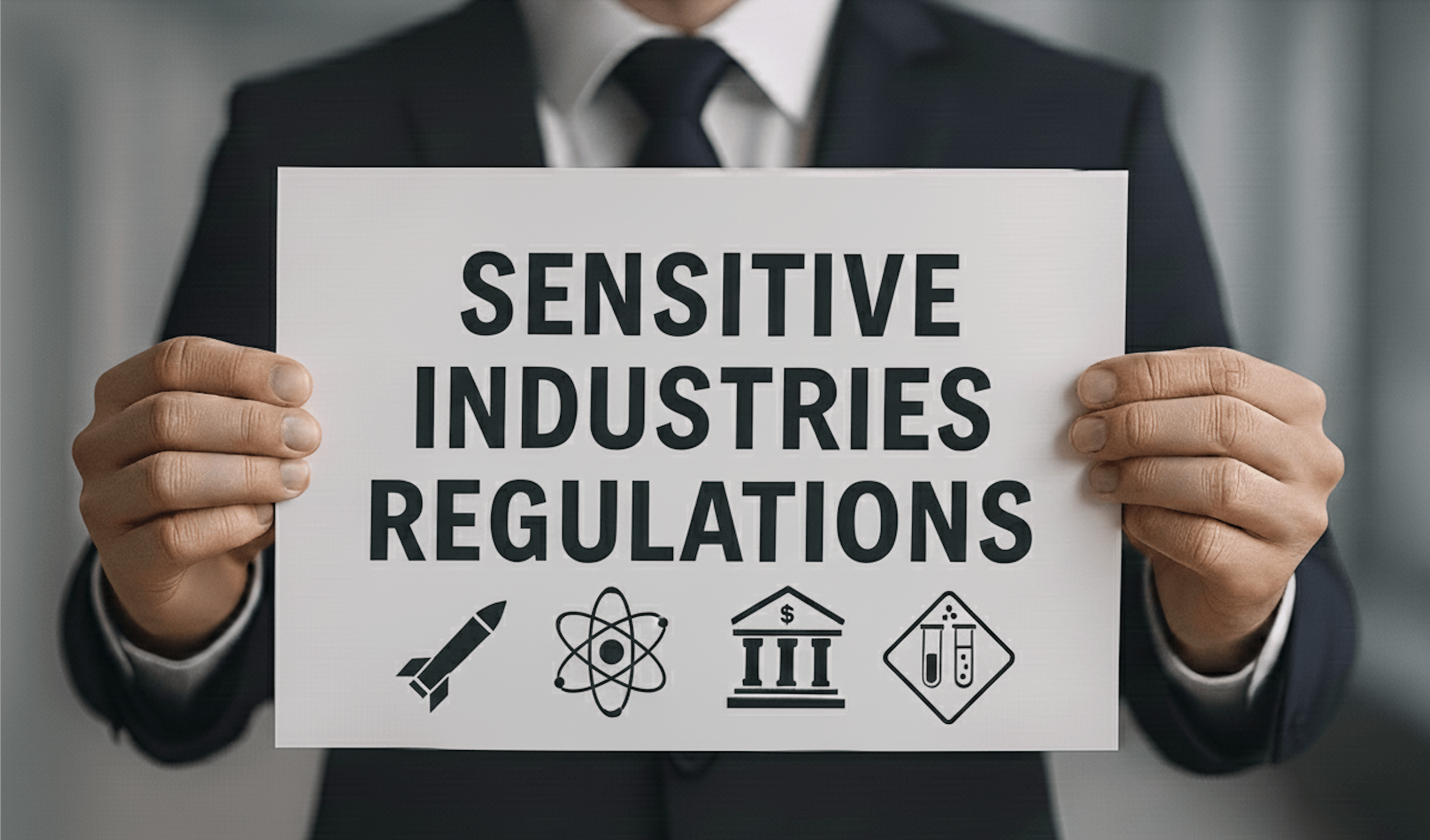
Heightened geopolitical competition, the rapid advancement of disruptive technologies, and the urgent need for supply chain resilience have fundamentally compounded the definition of sensitive industries—sectors vital to national interests.
While classic strategic sectors like aviation, defense, finance and banking, telecommunications, transportation, and energy remain critical, governments are now imposing complex new rules against investments in areas that underpin future economic and military power. This includes critical raw materials, Artificial Intelligence and quantum computing, biotechnology, semiconductors, and cybersecurity. Even in the classic sectors, governments are deepening their rules to monitor all investors more intently.
The recent saga surrounding Nexperia—a major semiconductor division originally spun off by Philips and now owned by Chinese investors—vividly illustrates the fluidity and speed with which government interventions, rules, and policies can change.
Understanding Sensitive Industry Regulations
Sensitive industry regulations are rules governing sectors considered vital to national interests. They typically include:These regulations are highly specific, varying significantly by country and industry, and are prone to frequent, rapid changes.
Key Challenges in Managing Sensitive Industry Regulations
Managing compliance with sensitive industry regulations is a deeply complex and multi-faceted challenge that goes far beyond simple checklist compliance. It’s an escalating burden on global companies.
Pre-approval requirements represent one of the strictest forms of regulation in sensitive industries, mandating that investors must notify and receive explicit clearance from a government screening authority before finalizing an acquisition or investment above specified thresholds. Failure to secure this clearance can result in hefty financial penalties. A fund investor could face fines ranging from hundreds of thousands of dollars to figures that are double the transaction’s value or 5-10% of the entire fund manager’s global turnover, and outright unwinding of the transaction and divestiture.
Sensitive industries are often structured in a multi-layered fashion. Like a Japanese Mille Crêpe cake, where compliance obligations exist at every layer of the business:
Example: A major European telecom company may be compliant in its home market, but if its Turkish subsidiary operates a local mobile network (critical infrastructure), that single subsidiary is subject to the sensitive industry rules of two different jurisdictions simultaneously.
The complexity is magnified when dealing with large investment funds. Investment in such funds seem safe on the surface but may unexpectedly trigger sensitive industry approvals.
Example: A global investment firm invests in a banking stock that operates multiple businesses, including a retail banking arm. The firm directly owns 4% of the bank’s shares and also holds 2% indirectly via an investment fund it manages. Individually, both holdings are below the regulatory threshold that would require pre-approval, but aggregated, the firm effectively controls 6% of the bank, exceeding the threshold set out in the Banking Act.
Compliance is complicated by a severe lack of global standardization:
Regulations are not static; they change quickly based on shifting geopolitical sentiment, economic conditions, or political priorities:
How Artius Global Can Help
Keeping track of this complexity—the dynamic rules, the multi-layered structures, and the differing thresholds—is beyond the scope of manual tools like Excel spreadsheets.
Artius Global provides an automated solution specifically designed to monitor and notify you of obligations across sensitive industries, keeping relevant rules updated and providing a consolidated, accurate view of your global investments against ever-changing regulatory thresholds.